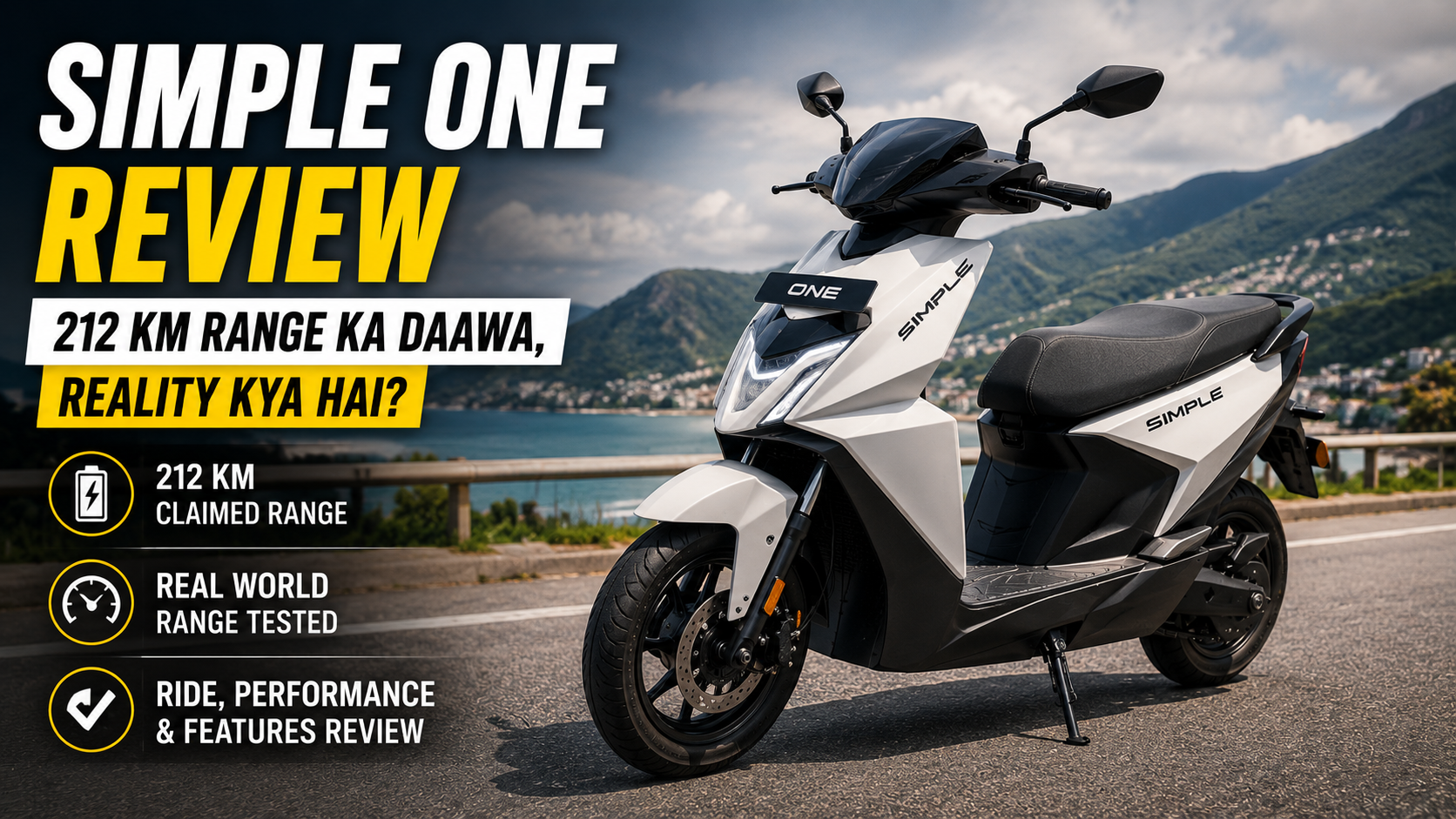
Simple One — Ek Scooter Jo Hamesha Promise Se Bada Sapna Dikhata Raha
2021 mein jab Simple One pehli baar reveal hua tha — India ke EV community ne excitement mein thoda overreact kiya. 212 km range claim. Gorgeous design. Aggressive pricing. Ek Bengaluru startup jo legacy brands ko challenge karne aa raha tha.
Phir aaya delivery ka drama. Bookings the, deliveries nahi thi. Dates aati thi, dates jaati thi. Customers frustrated the. Company struggling thi production scale karne mein. Woh 212 km ka daawa? Woh Gen 1 ka old IDC figure tha — reality alag thi.
January 2026 mein Simple Energy ne launch kiya Simple One Gen 2. Nayi battery, nayi motor, naya software, naya IDC range claim — ab 236 km (4.5 kWh) aur 265 km (5 kWh). Aur saath mein Simple Ultra bhi aaya — 400 km IDC range ke saath, India ki highest range electric scooter ka title lekar.
Toh sawaal wahi hai — is baar ka daawa kitna sach hai? Real world mein kya milta hai? Aur ek startup ki scooter pe ₹1.84–2.10 lakh lagana samajhdari hai?
Honest jawab — chalte hain.
Simple One Family — 2026 Mein Kaun Sa Kaun Sa Hai?
Gen 2 ke baad Simple Energy ki lineup teen scooters ki ho gayi hai:
| Model | Battery | IDC Range |
|---|---|---|
| Simple OneS Gen 2 | 3.7 kWh | 190 km |
| Simple One Gen 2 (4.5 kWh) | 4.5 kWh | 236 km |
| Simple One Gen 2 (5 kWh) | 5 kWh | 265 km |
| Simple Ultra | 6.5 kWh | 400 km |
Is review mein hum primarily Simple One Gen 2 5 kWh ko cover kar rahe hain — kyunki yeh flagship hai aur sabse zyada buyer interest isme hai. Simple Ultra alag ek detailed coverage deserve karta hai.
| Spec | Detail |
|---|---|
| Price (On-road Delhi) | ~₹1.65 lakh |
| Battery | 3.7 kWh |
| IDC Range | 190 km |
| Top Speed | 90 km/h |
| Motor Power | ~6 bhp |
| Weight | 118 kg |
| Target | Budget city commuter |
| Spec | Detail |
|---|---|
| Price (On-road Delhi) | ~₹1.90 lakh |
| Battery | 4.5 kWh |
| IDC Range | 236 km |
| Top Speed | 115 km/h |
| Motor Power | 8.5 bhp / 72 Nm |
| Weight | ~127 kg |
| Target | City + occasional highway |
| Spec | Detail |
|---|---|
| Price (On-road Delhi) | ~₹2.10 lakh |
| Battery | 5 kWh |
| IDC Range | 265 km |
| Top Speed | 115 km/h (Sonic X) |
| Motor Power | 11.8 bhp / 72 Nm |
| Weight | 129 kg |
| Target | Performance + range |
212 km se 265 km — Range Claim Ka Safar
Pehle yeh confusion clear karte hain — article ka title "212 km range ka daawa" 2021 wale original Simple One ka Gen 1 IDC claim tha. Gen 2 mein woh number badal chuka hai:
- Simple One Gen 1 (original) — 212 km IDC claim
- Simple One Gen 1.5 — improved but similar range
- Simple One Gen 2 (4.5 kWh) — 236 km IDC
- Simple One Gen 2 (5 kWh) — 265 km IDC
Gen 2 mein battery 17% zyada energy-dense ho gayi (152 se 167 Wh/kg), aur new Battery Management System range optimization karta hai. Toh claim badha — par real world mein kya milta hai?
Chart ek important truth dikhata hai — IDC range aur real-world range mein har brand ka gap hai. Simple One Gen 2 (5 kWh) ka real-world range normal mixed riding mein ~150–175 km expect kar sakte ho. EcoX mode mein manufacturer ka claim hai ki 180 km tak achieve ho sakta hai — par woh mode itna slow aur restricted feel karta hai ki reviewers ne isko "dragging feeling" kaha.
Design aur Build Quality — Gen 2 Mein Genuinely Sudhaar Aaya
Simple One ka design consistently ek strength raha hai — aur Gen 2 mein woh aur refined hua hai. Sharp lines, angular surfaces, futuristic stance — yeh scooter road pe notice hoti hai. Gen 1 mein build quality ek major complaint thi — plastic gaps, loose fitment. Gen 2 mein Team-BHP reviewer ne note kiya: "well put together scooter with solid fit and finish."
Key design upgrades Gen 2 mein:
- Aerodynamics ke liye front shroud redesign — cluster screen cooling ke liye airways
- Slimmer mirrors, cleaner rear section
- Seat height 16mm kam — 780mm — shorter riders ke liye better accessibility
- Switchgear aur console redesign — more intuitive feel
- Chassis 22% zyada rigid, frontal impact zones 50% stronger
9 color options hain — Aero X, Light X, Asphalt X, Brazen X, Aero Grey, Grace White, Azure Blue, Brazen Black, Sonic Red. Yeh variety acchi hai aur colors genuinely bold hain.
Underseat storage 35 litres hai — Gen 1.5 ke 30 litres se 17% zyada. Full-face helmet comfortable fit ho jaata hai.
6 Riding Modes — Sunne Mein Zyada Lagte Hain
Simple One Gen 2 (5 kWh) mein 6 riding modes hain. Interactive explorer se samjho:
EcoX — Top speed: 56 km/h | Range: Max (IDC-level) | Feel: Very restricted throttle response. Algorithm-driven range optimization. City traffic mein okay, highway pe impractical. Real talk: Yeh mode IDC numbers achieve karne ke liye hai, daily riding ke liye nahi.
Eco — Top speed: 56 km/h | Range: Excellent | Feel: Smooth aur predictable. Traffic mein comfortable, overtaking limit hai. Best for: City stop-go traffic, max range chahiye daily commute pe.
Ride — Top speed: 70 km/h | Range: Good | Feel: Balanced throttle, enough grunt for city. Everyday mode — most riders yahan ruke rahenge. Best for: Daily commute sweet spot — range aur performance ka balance.
Air — Top speed: 90 km/h | Range: Moderate | Feel: Energetic throttle, quick acceleration available. Highway pe comfortable speed possible hai. Best for: Occasional spirited riding, light highway use.
Sonic — Top speed: 105 km/h | Range: Lower | Feel: Aggressive throttle, instant power. Scooter "alive" feel karta hai. Best for: Performance riders, open stretches, fun runs. Range sacrifice ho jaati hai.
Sonic X — Top speed: 115 km/h | Range: Minimum | Feel: Maximum performance, full power. 115 km/h pe scooter slightly unstable feel ho sakta hai — reviewers ne note kiya. Best for: Experienced riders only. Track ya very open roads pe. Range minimum milti hai.
Team-BHP reviewer ne correctly note kiya — "6 riding modes seem like overkill as you can't find easily distinguishable differences between adjacent modes." EcoX aur Eco mein, aur Sonic/SonicX mein practical fark minimal hai. Effectively 3-4 usable modes hain.
Performance — Yahan Simple One Sach Mein Shine Karta Hai
11.8 bhp aur 72 Nm — yeh numbers is segment mein genuinely strong hain. Sonic mode mein throttle response sharp hai, aur acceleration confident feel karta hai. 0-40 km/h quick hai jo city traffic mein genuinely useful hai overtaking ke liye.
Handling ke baare mein — 129 kg weight ke bawajood scooter nimble hai. U-turns easy hain, tight spaces mein maneuverable hai. Effortless handling ka feedback consistent hai multiple reviewers se.
Par ek honest note — 90 km/h se upar scooter slightly unstable feel hoti hai. Skinny tyres aur scooter ergonomics highway speeds ke liye optimized nahi hain. 115 km/h top speed hai — but practically 80-90 km/h comfortable ceiling hai.
Braking — dual disc brakes hain aur stopping power solid hai. Par yahan ek genuinely important complaint aati hai:
Features — Tech Stack Genuinely Impressive Hai
Simple One Gen 2 features mein genuinely competitive hai established brands ke against:
- 7-inch TFT touchscreen — bright, clear interface. Cluster dashboard plus navigation screen.
- Turn-by-turn navigation — built-in GPS.
- Cruise control — highway pe genuinely useful.
- Hill-hold assist — slopes pe slip nahi karta.
- TPMS — tyre pressure monitoring real-time.
- Geo-fencing aur Time-fencing — define zone, time-based alerts.
- Find My Vehicle — parking mein locate karo.
- Rapid Brake Alert — sudden braking pe rear LED flash karta hai following vehicles ko warn karne ke liye.
- OTA updates — software improvements wirelessly.
- Reverse mode — tight parking spots mein genuinely helpful.
- Multi-level regen braking — customize karo.
- USB charging port — phone charge karo chalte chalte.
- Park Assist — low-speed electric forward crawl for parking.
Kya nahi hai — ABS/CBS (serious gap), wireless charging pad, aur kuch features jo higher-end competitors pe milte hain.
Suspension aur Ride Quality — Honest Assessment
Gen 2 mein telescopic forks front pe aur symmetrically mounted progressive monoshock rear pe hain. Gen 1 se improvement clearly aayi hai. Lekin reviewers consistent hain ek feedback pe:
Suspension stiff hai — especially front fork.
Slow speed bumps aur rumble strips clearly feel hote hain handlebar pe. Sharp potholes unsettled karte hain. Twisty roads pe aur reasonable pace pe suspension composed rehta hai — open roads pe yeh accha lagta hai. Lekin broken Indian city roads pe — har pothole ek reminder hai.
Seat comfort bhi mixed feedback aata hai — front mein comfortable hai, rear mein seat narrow lagti hai taller riders ke liye. Pillion experience average hai.
Charging — Kitna Time Lagta Hai?
| Mode | Time (0–100%) | Notes |
|---|---|---|
| Standard (5A) | ~7–8 hours | Regular 5A socket |
| Standard (15A) | ~4–5 hours | Faster home charging |
| Bundled charger | ~5 hours | 1 kW standard charger |
Home overnight charging sabse practical option hai — subah full battery pe uthna.
| Mode | Time | Notes |
|---|---|---|
| Fast Charge (0–80%) | ~80–90 min | DC fast charging support |
| Quick top-up (20–80%) | ~55–65 min | Public charger pe |
DC fast charging support hai — par Simple Energy ka public charging network abhi limited hai. Third-party chargers pe depend karna padega.
Service Network — Sabse Badi Chinta
Yeh section sabse important hai agar tum seriously Simple One consider kar rahe ho.
Simple Energy ka target tha 150 experience centers aur 200 service centers by March 2026. July 2026 mein status? Company ne kuch expansion ki hai — Siliguri, North India, Eastern India mein nayi stores khuli hain — lekin established brands ke comparison mein gap massive hai:
| Brand | Approx. Service Points | Cities |
|---|---|---|
| Hero Vida | 700+ | Pan-India |
| Ather Energy | 200+ | Mostly metros + tier-1 |
| TVS iQube | 500+ | Pan-India |
| Bajaj Chetak | 600+ | Pan-India |
| Simple Energy | 50–80 est. | South India heavy |
User reviews mein service availability ek consistent complaint hai. "Limited service center availability aur lengthy delivery times" — yeh pattern multiple review platforms pe dikhta hai. Agar tum Bengaluru, Hyderabad, Pune, ya Chennai mein ho — Simple Energy ka network okay hai. Baaqi India mein — risk genuinely hai.
Overall Attribute Score — Polar Area Chart
Polar chart ek clear picture deta hai — range, performance aur tech mein Simple One genuinely strong hai. Service network clearly sabse weak point hai — aur yeh ek real risk factor hai ownership ke liye. Ride comfort bhi improvement ki zarurat hai.
Simple One vs Competition — Kaun Kahan?
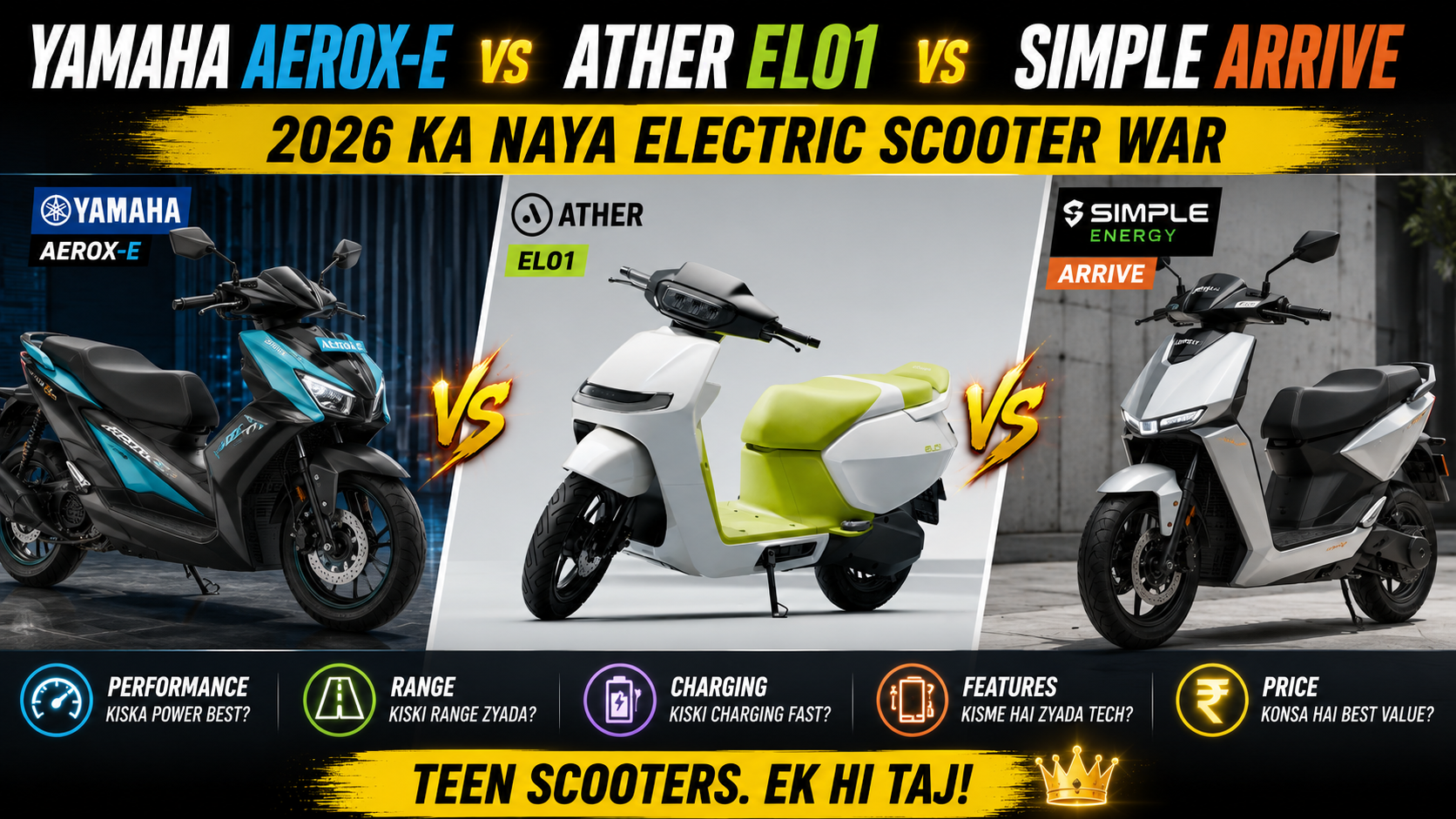
| Scooter | Price | IDC Range |
|---|---|---|
| Simple One (5 kWh) | ~₹2.10 L | 265 km |
| Ather 450X Gen 4 | ~₹1.55 L | 150 km |
| TVS iQube S | ~₹1.35 L | 140 km |
| Bajaj Chetak 3503 | ~₹1.22 L | 131 km |
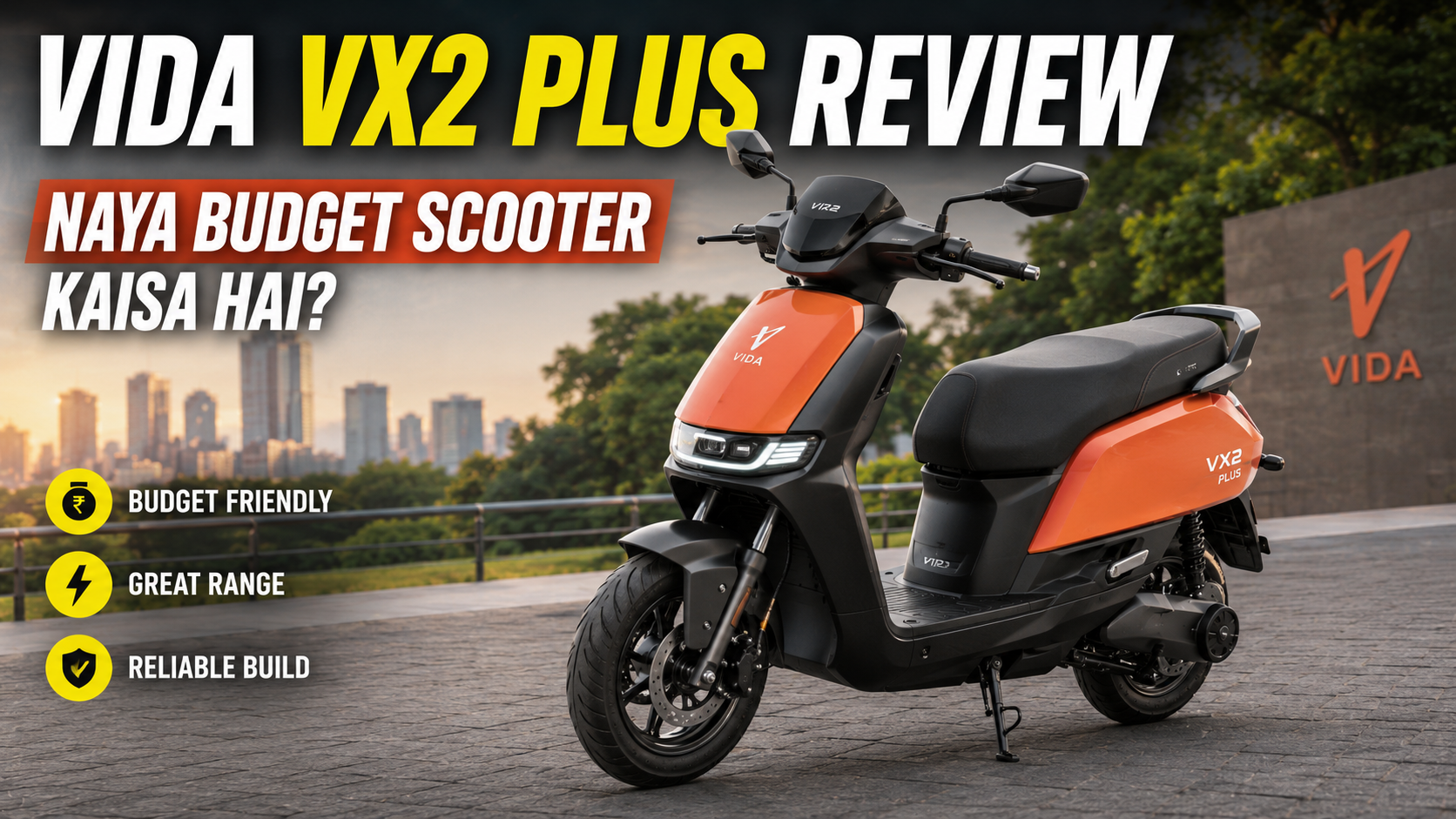
| Vida VX2 Plus (4.4kWh) | ~₹1.44 L | 187 km |
Range mein Simple One clearly winner hai — 265 km IDC koi bhi mainstream competitor match nahi karta (Simple Ultra ke alawa). Lekin price bhi highest hai — ₹2.10 lakh pe Ather 450X se ₹55,000 zyada. Aur Ather ka service network 200+ centers vs Simple ka 50-80 — yeh gap real decision factor hai.
Agar range hi priority hai toh Simple One ka koi competitor nahi is price range mein. Agar service reliability priority hai toh TVS iQube ya Bajaj Chetak safer bet hai. Budget buyers ke liye hamare buying guide mein aur options hain.
Kaun Khareed? — Honest Guide
Simple One Gen 2 lo agar:
- Range anxiety tumhara #1 concern hai — 150+ km real-world range genuinely milti hai
- Bengaluru, Hyderabad, Pune, Chennai, Mumbai mein rehte ho — service accessible hai
- Tech-forward features appreciate karte ho — touchscreen, cruise control, OTA updates
- Performance matters — 11.8 bhp, 72 Nm, 115 km/h capable scooter chahiye
- Startup ka risk accept karte ho service ke potential gaps ke saath
Mat lo agar:
- Tier-2/tier-3 city mein ho jahan Simple Energy ka service center nahi hai
- ABS tumhare liye non-negotiable safety feature hai — yahan nahi milega
- ₹2.10 lakh mein established brand ka comfort chahiye — Ather, TVS, Hero Vida consider karo
- Pillion riding common hai — seat comfort disappoints
- Smooth city roads pe nahi ho — stiff suspension Indian broken roads pe noticeable hai
Final Verdict — Kitna Simple Hai Yeh Decision?
Simple One Gen 2 ek genuinely impressive engineering achievement hai — ek Bengaluru startup ke liye.
265 km IDC range, 11.8 bhp motor, cruise control, hill hold, OTA updates, 7-inch touchscreen — yeh package ₹2.10 lakh mein competitive hai specifically range ke parameter pe.
Lekin real world mein 150–175 km ki range milti hai normal riding mein — woh bhi enough hai daily commute ke liye, par 265 km ka daawa sach nahi laggta daily use mein. ABS ki absence ek serious safety concern hai is price point pe. Aur service network — woh ek genuine gamble hai agar tum major metro se bahar ho.
Simple One Gen 2 un logon ke liye best hai jo range ko sabse zyada prioritize karte hain, South India ya major metros mein hain, aur ek startup product ka calculated risk lene ke liye ready hain.
Baaki ke liye — TVS iQube S, Bajaj Chetak, ya Ather 450X service reliability mein zyada safe bets hain. Aur agar range genuinely critical hai — Simple Ultra (400 km IDC) aane wala hai, woh alag ek consideration hai.
Overall Rating: 7.2/10
Range — 9/10 | Performance — 8.5/10 | Tech — 8/10 | Build — 7.5/10 | Comfort — 6/10 | Service — 4/10 | Value — 6.5/10
Aur range claims aur real-world numbers ke baare mein hamesha yaad rakho — IDC vs ARAI vs real-world — yeh fark samajhna zaroori hai koi bhi EV khareedne se pehle.
Yeh review January–July 2026 ke available data, Team-BHP, ZigWheels, BikeWale, aur multiple owner reviews ke basis pe likha gaya hai. Simple Energy ka service network rapidly expand ho raha hai — purchase se pehle apne city mein availability verify karo.
Compare EV team ka dedicated member. EV industry ka gyaan aur thoda sa roasting — ye unka kaam hai.
💬 Comments (0)
Abhi koi comment nahi. Pehle comment karo! 👇
💬 Apni Raay Do